
Find Cheap Ammunition Deals Without Sacrificing Quality
Surprisingly, «cheap» ammunition often delivers identical ballistic performance to premium brands because both use the same types of brass, powder, and projectiles—the cost difference lies primarily in packaging, primer sourcing, and quality-control strictness. This budget-friendly option still functions reliably in most firearms, cycling through semi-automatics and revolvers as long as the bullet weight and caliber match your weapon’s specifications. The main benefit is enabling more frequent practice without stretching your wallet, which improves shooting proficiency through repetition. For best results, simply run a few test rounds through your gun first to confirm it feeds and ejects cleanly, then stock up on your chosen load for consistent training.
What Exactly Counts as Budget-Friendly Ammo?
Budget-friendly ammo isn’t just about the lowest sticker price—it’s the round that delivers reliable function and acceptable accuracy for the least cost per shot, without compromising your firearm’s integrity. For practice and training, that usually means full metal jacket (FMJ) loads in common calibers like 9mm, .223 Remington, or .22 LR, where bulk pricing drops the per-round cost dramatically. Steel-cased or aluminum-cased options often qualify because they’re cheaper to produce, but you must test them for extraction issues in your specific gun. Brass-cased surplus or remanufactured ammo can also fit the bill, especially when bought in 500- or 1000-round cases, 5.7x28mm Ammo for Sale as long as the primer strikes are consistent. Military-overrun or «white box» plain-packaged ammunition frequently defines the sweet spot—no fancy packaging, just functional rounds. *However, the true test of budget-friendly isn’t the price alone; it’s whether you can shoot a full magazine without a malfunction.* Skip premium defensive loads for target use, and remember that rock-bottom prices often hide dirty powder or hard primers, which can turn a bargain into a jam-prone headache.
Defining Value: When Low Price Doesn’t Mean Low Quality
A low per-round price tag often signals bargain-bin risk, but budget ammo value hinges on consistency, not cost alone. Cheap brands with uniform case dimensions, sealed primers, and stable powder charges deliver acceptable accuracy for practice without premium pricing. Examine bullet weight consistency across boxes; variance indicates sloppy manufacturing, regardless of price. Also, check for excessive soot or hard extraction—these hint at weak or dirty loads that save money up front but cause malfunctions. True value emerges when a low price maintains reliable cycling, repeatable point of impact, and clean-enough burn. If a round fails to group within three inches at 25 yards, its low cost is worthless. Prioritize function over label.
Common Calibers Where You Can Find Real Deals
When hunting for cheap ammunition deals, stick to calibers with massive production volumes and military surplus. 9mm Luger, .223 Remington/5.56 NATO, and .22 LR consistently offer the lowest cost per round because manufacturers run them in continuous, high-speed batches. For centerfire rifles, 7.62x39mm often undercuts .223 when surplus or steel-case imports arrive. In handguns, .40 S&W and .45 ACP see periodic clearance sales when law enforcement agencies transition to 9mm, pushing police-trade-in ammo onto the market at steep discounts. Avoid niche rounds like .327 Federal or .30 Carbine, as low demand keeps prices high. To capitalize, buy in bulk when these common calibers dip below the usual threshold—typically under $0.22 per round for 9mm and under $0.35 for .223.
- 9mm Luger: often $0.18–$0.22/round on sale via case lots
- .223 Remington/5.56 NATO: watch for $0.30–$0.35/round promotions
- 7.62x39mm: surplus batches can hit $0.25–$0.30/round
- .22 LR: bulk bricks frequently drop to $0.04–$0.06/round
New vs. Remanufactured: Which Saves You More Safely
When pinching pennies on cheap ammunition, the real fork in the road is new vs. remanufactured savings versus safety. New factory loads cost more but guarantee virgin brass, fresh primers, and consistent powder charges—zero guesswork. Remanufactured rounds (not “reloaded” by some guy named Steve) come from commercial plants that inspect, resized, and re-primed once-fired cases, slashing 20–30% off the price. The catch? You’re trusting their sorting and pressure-testing. For range plinking, reman is a safe bet, but for defensive or high-pressure firearms, stick to new. **Q: Is remanufactured ammo safe for my Glock?** A: Generally yes, but if your gun has a fully supported chamber, stick to new brass—remanufactured cases can hide weak spots that cost you more than the savings.
How to Spot Reliable Bargain Rounds Every Time

Start by checking the case mouth for crushing or specialty sports & supply uneven flares—bargain rounds often skip quality control there. Shake the box; if primers rattle loose, walk away. Reliable cheap ammo always has a consistent bullet seating depth, so lay a few rounds side by side to compare. Feel the rim—rough burrs indicate cheap brass that can jam your extractor. Stick to known loaders who publish lot-test results, even if they lack fancy packaging. A quick magnet test separates steel-jacketed junk from copper-washed rounds that won’t wreck your barrel. Q: What’s the fastest reliability check? A: Weigh five random rounds—if the variance exceeds 1.5 grains, the powder charge is sloppy, and those bargain rounds aren’t worth the risk. Trust your fingers over flashy labels.
Key Signs of Poor Manufacturing to Avoid at All Costs
When hunting bargain rounds, **key signs of poor manufacturing** are non-negotiable red flags. Reject any cartridge with a loose, rattling bullet that spins freely in the case neck—that indicates crimp failure and inconsistent pressure. Inspect the primer pocket for a shallow or off-center seating; a proud primer can cause slam-fires or misfires. Avoid rounds with visible corrosion, green patina, or tarnished brass, as these compromise case integrity. Also, watch for uneven case lengths or dents near the shoulder, which lead to feeding jams and case rupture. Finally, grimace at rough, burred rims—they damage extractors. If you spot any of these flaws, walk away immediately; a misfire or squib load costs far more than the savings.
Understanding Brass, Steel, and Aluminum Casings for Savings
Understanding brass, steel, and aluminum casings for savings starts with knowing how each metal affects your wallet and your firearm. Brass is the most reliable for reloading—it’s soft, expands to seal the chamber, and resists corrosion, so you can reuse it multiple times, lowering your cost per round over the long haul. Steel is cheaper upfront and often steel-cased ammo is the absolute 7mm PRC Ammo for Sale bargain bin king, but it’s harder on extractors and won’t be reloadable, so you save now but pay later in parts wear. Aluminum splits the difference: it’s light and rust-resistant, but it’s a one-shot deal since it tends to stick or crack on extraction, meaning zero resale or reload value. For pure savings on a single range trip, steel wins; for repeated savings, brass casings stretch every dollar because they keep working after the firearm’s spent.
Brass saves long-term via reloading, steel saves short-term per box, aluminum saves neither—match the casing to your shooting frequency.

Why Bullet Weight and Shape Affect Your Final Cost Per Round
Bullet weight and shape directly dictate your final cost per round because heavier projectiles require more lead and copper, driving up material expenses before you even factor in primer and powder. Conversely, a lightweight, round-nose bullet uses less metal and simpler manufacturing, letting you shave cents off every box. Hollow points or boat-tails demand extra machining steps, so their per-unit price climbs even in bulk. Meanwhile, a flat-base, full-metal-jacket in a common weight like 115-grain benefits from massive production scale. To spot reliable bargain rounds, prioritize simple, lighter projectiles—they cut waste, reduce overhead, and keep your per-round cost consistently lower without sacrificing function for range practice.
Practical Tips for Buying Affordable Loads in Bulk

When I first started shooting matches, I bled cash buying boxes at the counter. The shift came when I treated bulk ammo like a weekly grocery run—watching price-per-round like a 7.62×51 Ammo for Sale hawk and splitting cases with two buddies. I’d scan online dealers for free-shipping thresholds, then pool orders to hit them, often saving twelve bucks a box. For range days, I’d buy a 500-round case of steel-case 9mm, but keep a single box of brass for carry practice—that mix kept my wallet breathing.
The real trick is storing your bulk buy in airtight cans with silica packs, so a year-old case still fires clean.
I also learned to test fifty rounds of any new lot before committing to a full order—a jammed batch at 300 rounds teaches you that “cheap” has a floor, but smart splitting and timing beat sticker price every time.
How to Calculate True Cost Per Round Including Shipping

To calculate the true cost per round including shipping, divide the combined total of the case price, sales tax, and shipping fee by the exact number of rounds received. Always confirm the shipper’s actual weight-based quote before checkout, because “flat rate” often excludes heavy packaging. Then, subtract any cash-back rewards or bulk coupon discounts from the order total *before* dividing. For example, $280 ammo + $18 shipping + $0 tax = $298, divided by 500 rounds equals $0.596 per round. Recalculate if you split a case with a friend, as you must allocate the fixed shipping proportionally by round count, not by dollar share.
- Add shipping and tax to the base price, then divide by the exact round count (not the advertised count if boxes are short).
- Compare per-round cost across multiple vendors using a spreadsheet, including handling fees, to spot the best net deal.
- If buying multiple cases, request a single combined shipment to reduce per-case shipping weight and lower the true cost per round.
Best Times to Stock Up on Discounted Boxes
Timing your purchase is the core of strategic bulk ammunition buying. The most reliable window is immediately after major holidays—specifically the first two weeks of January and July—when retailers discount overstocked seasonal calibers to clear shelf space for new inventory. Watch for end-of-month clearance cycles, as distributors often offer rebates to meet quarterly quotas, which dealers pass on to you. Also, monitor Monday mornings: many online vendors refresh weekend sale prices before noon, catching slower shoppers off guard. For a clear sequence, follow this:
- Identify your primary caliber’s typical seasonal demand (e.g., .22 LR peaks in spring).
- Set price alerts on two comparators six weeks before the holiday.
- Buy immediately when the per-round cost drops below 20% of the average.
Avoid 5.56 Ammo for Sale waiting for “Black Friday” itself, as shipping delays often negate savings.
Using Ammo Seek and Price Alerts Without Getting Burned
To get the best price on cheap ammunition, Ammo Seek aggregates listings, but you must filter for shipping costs and seller ratings before clicking buy. Set price alerts for your exact cartridge and a target cents-per-round; the site emails you instantly when a deal hits. When an alert fires, act quickly—popular bulk loads vanish within hours. Before checkout, verify the seller’s return policy and theft protection; scams often lurk in too-low listings. Always compare the final total, including tax and hazmat fees, against two other sellers. For a safe purchase sequence:
- Create alerts for your caliber and a realistic price floor.
- Sort results by “price per round” after adding shipping.
- Confirm the .17 WSM Ammo for Sale seller’s recent review score is above 4.5 stars.
Only then commit to the bulk order to avoid paying inflated per-box rates.
Getting the Most Performance from Your Low-Cost Purchase
Running cheap ammunition doesn’t mean settling for bad results. First, sort every round by headstamp; mixed brass changes pressure and point of impact, so grouping same-brand lots tightens your low-cost purchase drastically. Next, weigh a few bullets from the box—if variance exceeds a grain, separate them into batches for practice versus zeroing. Lube your action lightly and clean your chamber often, because budget ammo often leaves more carbon, which causes bolt lift issues and mis-feed failures. Focus on consistent cheek weld and trigger press, since cheap rounds amplify shooter error. Finally, shoot from a supported rest at 50 yards first; that reveals if the load is accurate enough for your intended distance before wasting rounds. You’ll squeeze surprising precision from budget boxes with just a little sorting and patience.
Matching Inexpensive Rounds to Specific Guns for Reliability
Cheap ammo often fails because your specific gun and that budget round simply don’t get along. Matching inexpensive rounds to specific guns for reliability starts with testing a single box before bulk-buying, since tight chambers or stiff recoil springs may choke on certain bullet profiles. For example, a polymer-frame pistol might run flat-nosed budget loads fine, while a carbine with a short feed ramp jams on them. Also, pay attention to primer hardness—some bargain brands need a lighter hammer spring to ignite reliably in your rifle. If a round feeds, extracts, and locks back every time across 100 rounds, it’s a keeper for that gun.
- Test one box per gun before committing to a case.
- Compare OAL (overall length) of Ammo Cans & Storage for Sale cheap rounds against your magazine’s max fit.
- Watch for weak ejection—a sign your slide spring is too stiff for that load.
- Log failures per brand and gun model to spot patterns.
Simple Storage Tricks to Keep Cheap Cartridges Fresh for Years
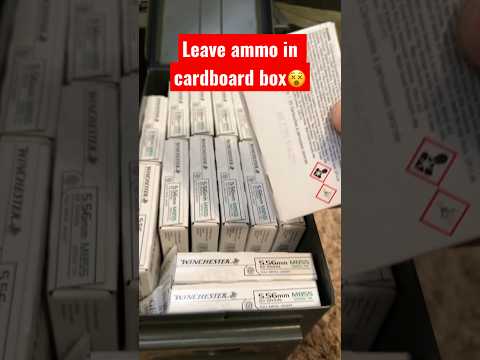
To make budget ammo last, keep it bone-dry because moisture is the main culprit behind corroded primers and dud rounds. Toss a few silica gel packets inside your ammo can—they’re free from shoe boxes and work wonders. Avoid temperature swings by storing cartridges in a cool, closet-like spot, not a hot garage or .17 HMR Ammo for Sale damp basement. Always keep rounds in their original cardboard boxes inside a sealed can, which adds a buffer against humidity. Simple storage tricks to keep cheap cartridges fresh for years also include rotating your stock—shoot oldest first, so nothing sits indefinitely.
Q: Do I need a fancy dehumidifier for ammo storage?
A: Nope, a sealed .50-cal can with silica packets beats any expensive setup for casual shooters.
Cleaning Your Firearm More Often When Shooting Budget Brands
When shooting budget ammunition, you will likely notice increased fouling from powder residue and primer compounds. These lower-cost rounds often use heavier propellant loads or less refined canister-grade powder, leaving more carbon and particulate buildup behind. Prioritizing frequent firearm cleaning with budget ammunition prevents carbon from baking onto the bolt face and chamber, which can cause extraction failures over a short range session. A bore snake or wet patch every 100–150 rounds is a practical habit, as is a full field strip after each outing. Pay extra attention to the gas system on semi-automatics, where dirty powder can restrict cycling. This routine keeps your gun functioning reliably despite the dirtier burn profile.
Your Top Questions About Saving Money on Shooting Answered
The sting of a spent casing was nothing compared to the sting of my credit card bill, which is exactly when I started 7.62×39 Ammo for Sale digging for answers about cheap ammunition. The first question everyone asks is whether budget rounds will damage your firearm, and the truth is that most bulk ammunition is perfectly safe for range practice. I learned to buy in bulk during off-seasons, splitting cases with friends to unlock deeper discounts. Another huge win was switching to re-manufactured rounds for routine drills; they cost less, though I always inspect each casing for cracks or bulges before loading. I also found that buying steel-cased ammo for plinking, while saving my brass for precision days, cuts my range fees in half without sacrificing fundamental skills. The secret is never trusting a single low price—I compare cost-per-round, not sticker price.
Is It Safe to Shoot Cheap Ammo in a High-End Firearm?
Shooting cheap ammunition in a high-end firearm is generally safe, provided the rounds are factory-new and within SAAMI pressure specs. The real risk is not the gun—it’s the ammo’s consistency. Budget loads often use slower-burning powders or lighter crimps, which can cause pressure variations that affect cycle timing in tight-tolerance actions. Watch for signs of overpressure like flattened primers or stiff extraction. Also, cheap jacketed bullets may lead to accelerated fouling in match-grade barrels. To protect your investment: 1) inspect several rounds for setback or bulged cases before loading, 2) fire a test box and chronograph velocities if possible, and 3) clean the bore thoroughly after each session. Avoid remanufactured or pulled-bullet ammo, as those pose the highest risk of case failure in precision chambers.
How Many Rounds Should You Fire to Test a New Cheap Batch?
To validate a new cheap batch without wasting money, fire a minimum of 50 rounds through your specific firearm before trusting it for anything serious. Start with 20 to catch gross malfunctions like failures to feed or extract, then finish the remaining 30 to expose intermittent issues such as light primer strikes or inconsistent accuracy. Cheap ammo often shows problems only after the action heats up or fouling builds, so a 10-round box will not reveal the true failure rate. If you encounter more than two malfunctions in that 50-round test, reject the batch for defensive use and burn it off at practice only. This sample size gives you statistical confidence without overspending on a questionable lot.
Test a cheap batch with at least 50 rounds—20 for obvious failures, 30 more for hidden, fouling-related issues—before relying on it.
What’s the Real Difference Between Practice Rounds and Self-Defense Loads?
Practice rounds and self-defense loads differ primarily in 7.62x54R Ammo for Sale terminal performance versus cost efficiency. Cheap practice ammo uses full metal jacket (FMJ) bullets—they punch clean holes in paper but fail to expand in tissue, risking over-penetration. Self-defense rounds, like hollow points, use jacketed hollow-point technology to expand predictably, dumping energy and reducing collateral risk. You can train with a budget 50-round box of FMJ to master trigger control, but your carry magazine must hold premium defensive ammo, because malfunctions in a pressure scenario are unacceptable. Practice rounds also mimic recoil poorly—cheap loads often run lighter, so your grip won’t match real-life performance. **Q: Can I save money by carrying practice rounds?** A: No—a misfeed during a threat is the worst cost; spend the extra $0.50 per round for life-saving reliability.

